Absolute Concrete Coating & Cleaning
Concrete Flake System
Full-broadcast chip epoxy sealed with polyaspartic — the workhorse floor that looks sharp and holds up under anything.
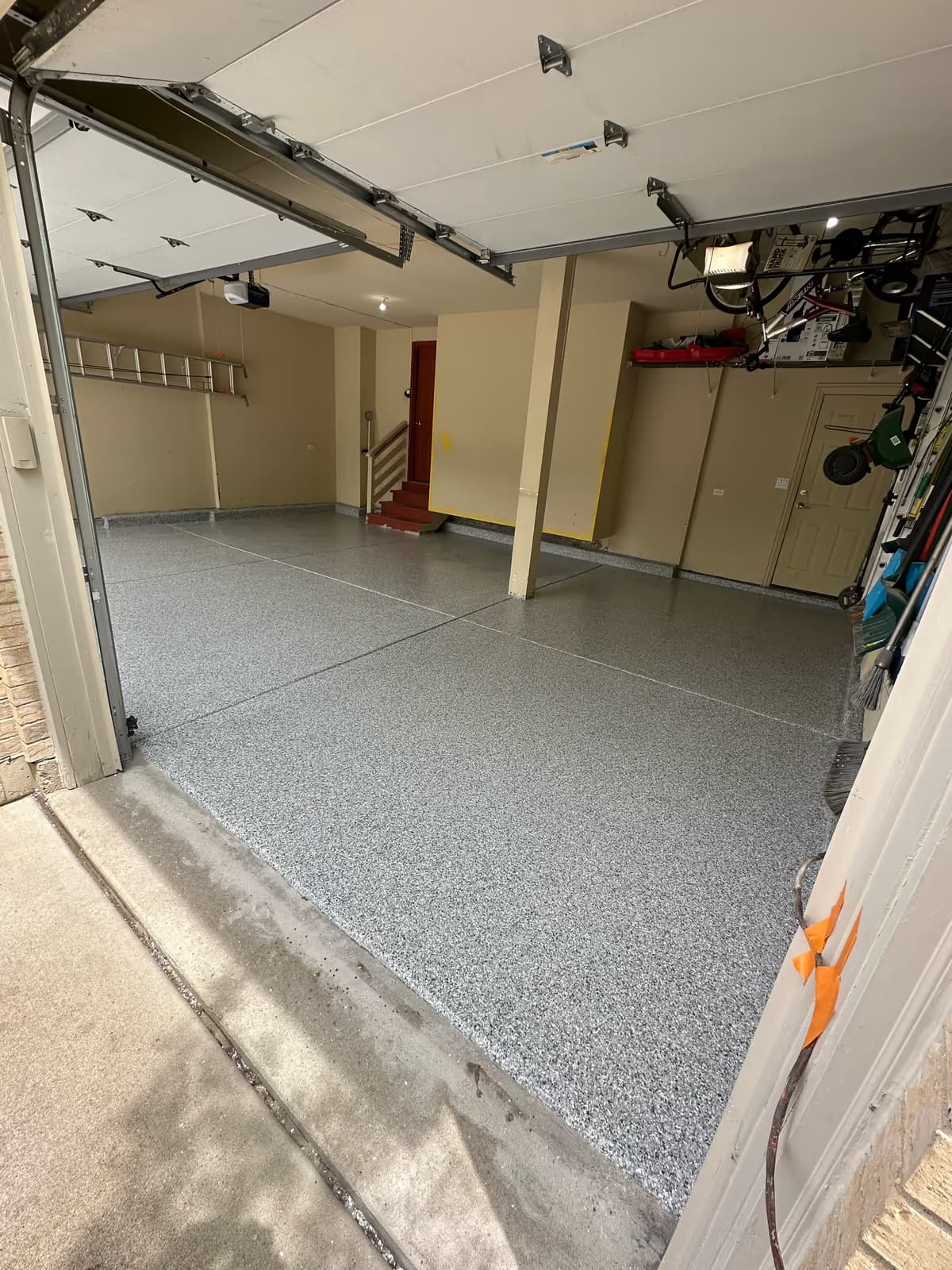
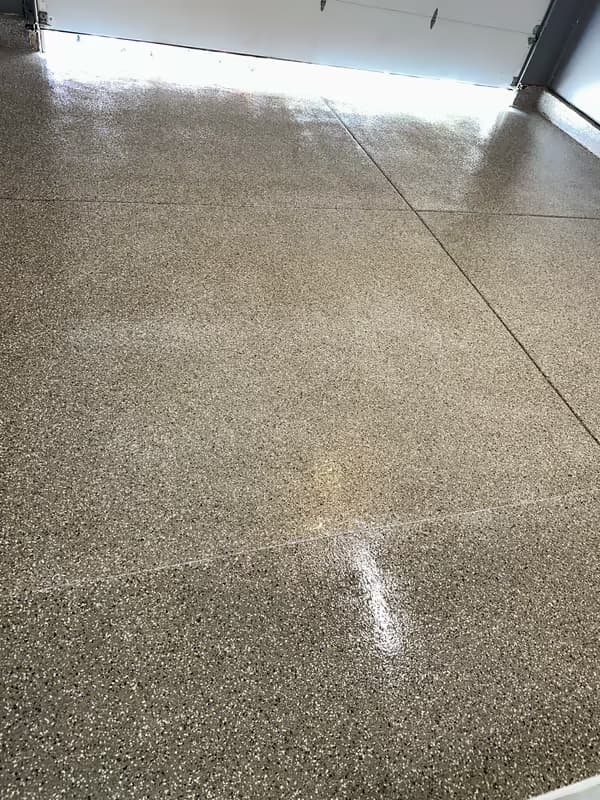
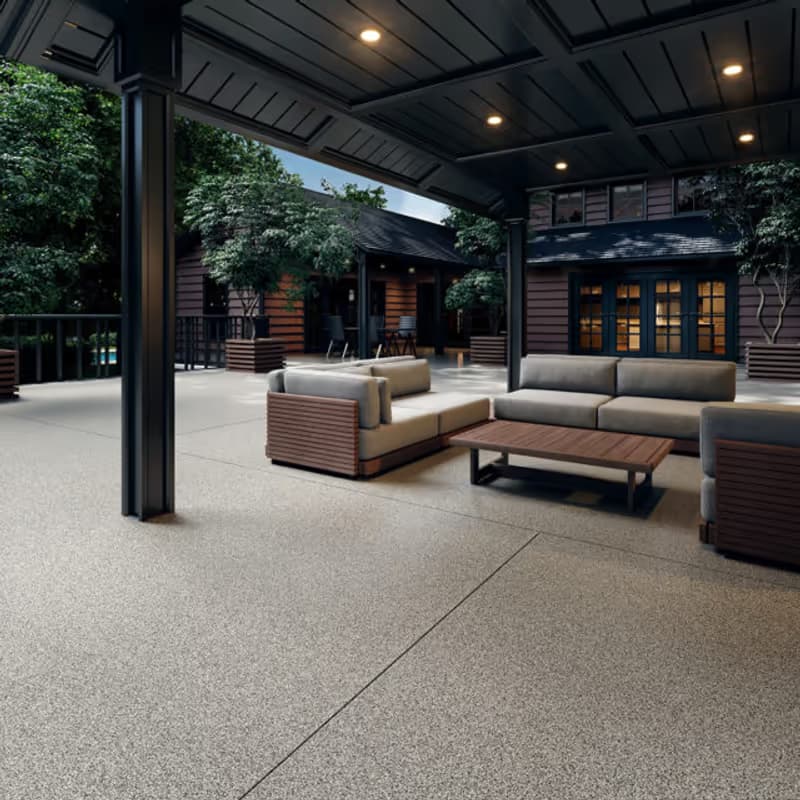
Color flake is the standard for a reason: vinyl chips broadcast into an epoxy base give you texture, slip resistance, and a high-gloss polyaspartic seal in a single installation day. The result is a floor that handles car traffic, salt and oil drips, heavy equipment, and decades of Wisconsin winters — without peeling, staining, or chalking.
WHY IT LASTS
Built to perform.
Impact & abrasion resistance
The layered chip-and-seal system handles dropped tools, rolling carts, and daily foot traffic without chipping or wearing through.
Chemical & stain resistance
Oil, brake fluid, de-icing salt, and cleaning chemicals wipe up clean — the polyaspartic topcoat blocks absorption at the surface.
Slip-texture options
Broadcast density and aggregate selection are dialed to the use case — from smooth showroom finish to commercial-grade anti-slip texture.
Fast-cure polyaspartic install
Polyaspartic topcoat cures faster than standard epoxy, so most residential floors are back in service the next morning — no week-long wait.
Full-broadcast finish
Edge-to-edge chip coverage means no visible base coat gaps, a consistent color through the full depth, and easier touch-up decades down the line.
Wipes clean, stays clean
The non-porous sealed surface shrugs off oil, road salt, and spills — a broom or damp mop is all the maintenance it takes.
RESIDENTIAL
For homeowners.
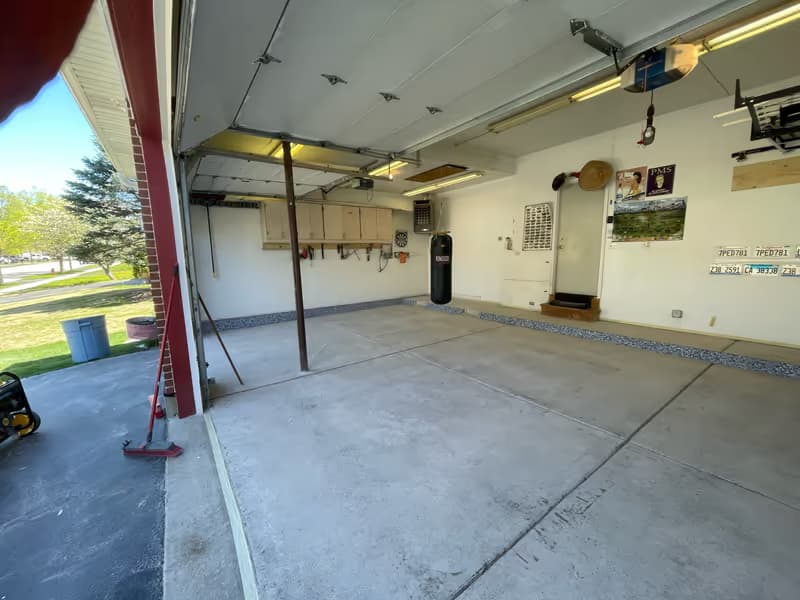
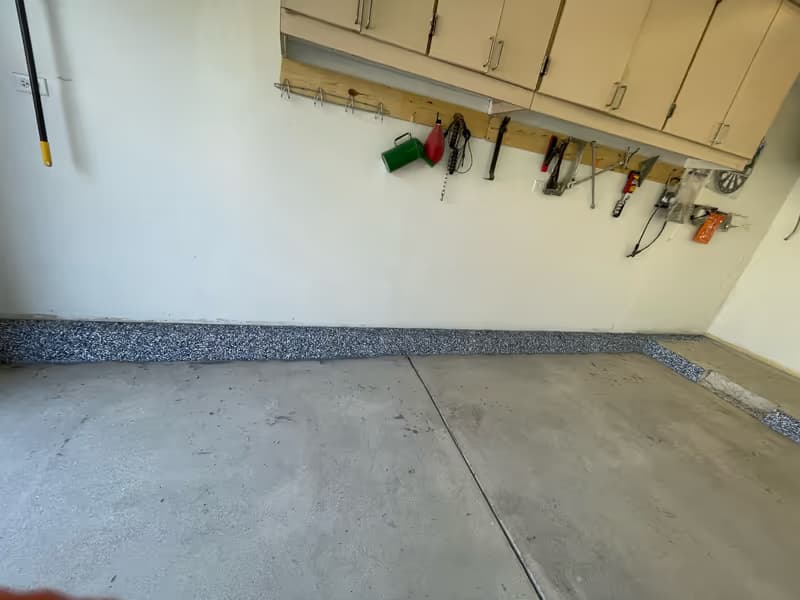
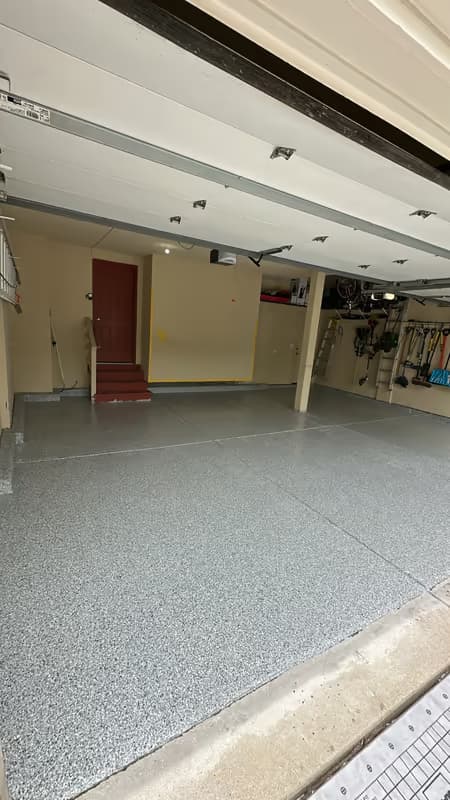
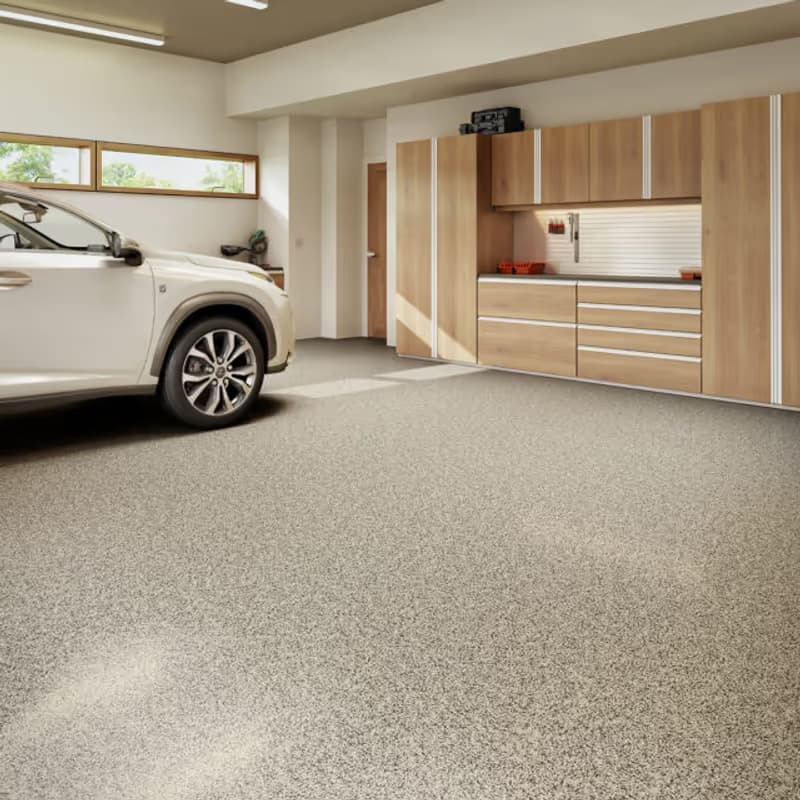
For homeowners, flake epoxy is the upgrade that makes a garage worth using. It holds up to cars, bikes, sports gear, and seasonal salt without looking worn after one winter. We install from the coving line at the wall to every corner — no patches, no seams. Most residential jobs are complete in a day and drive-ready by morning.
REAL RESULTS
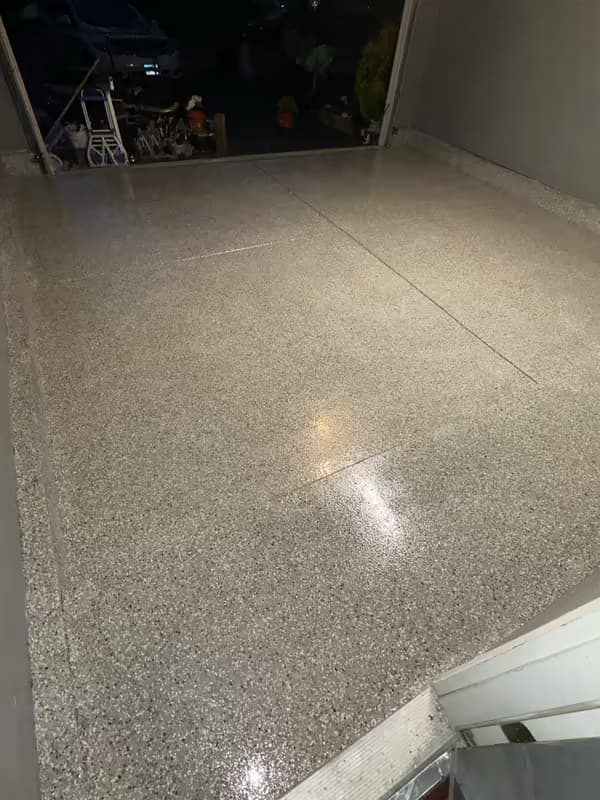
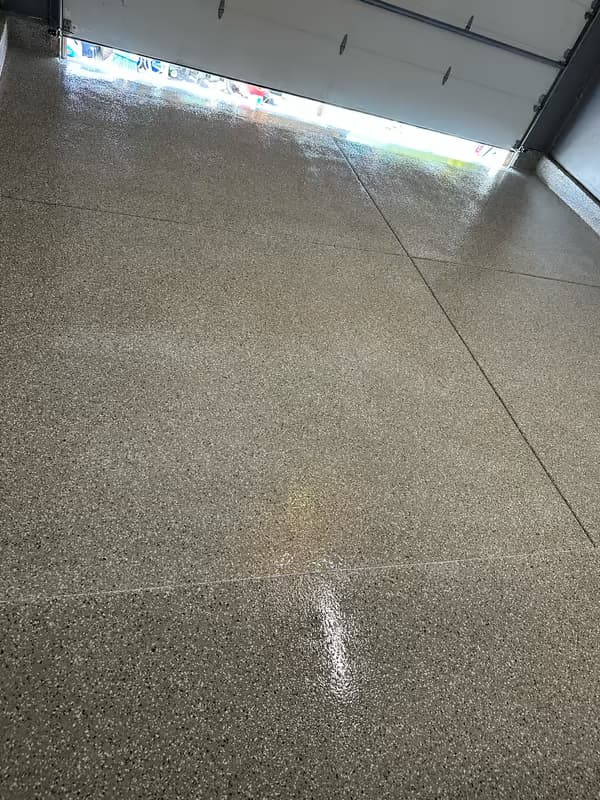
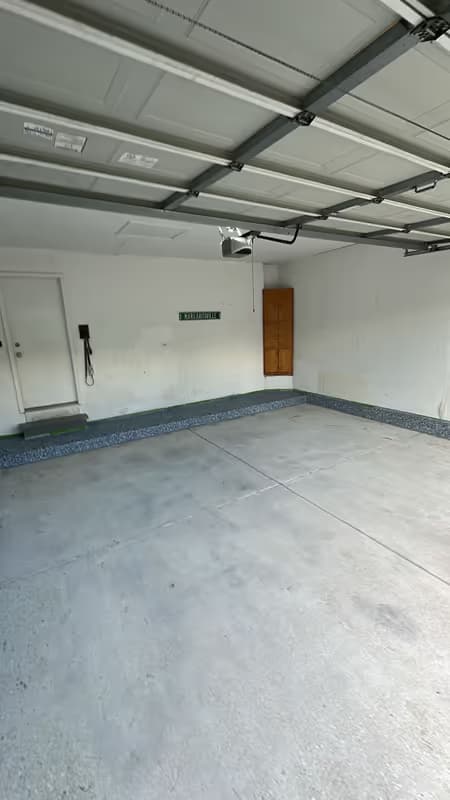
Bare slab to finished floor.
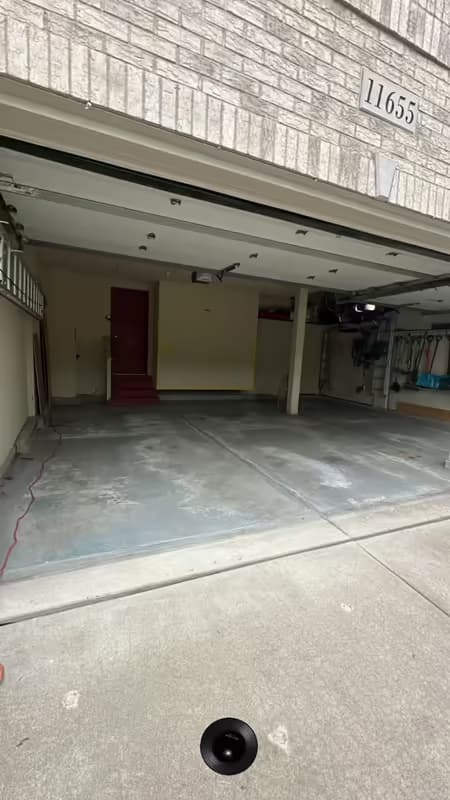
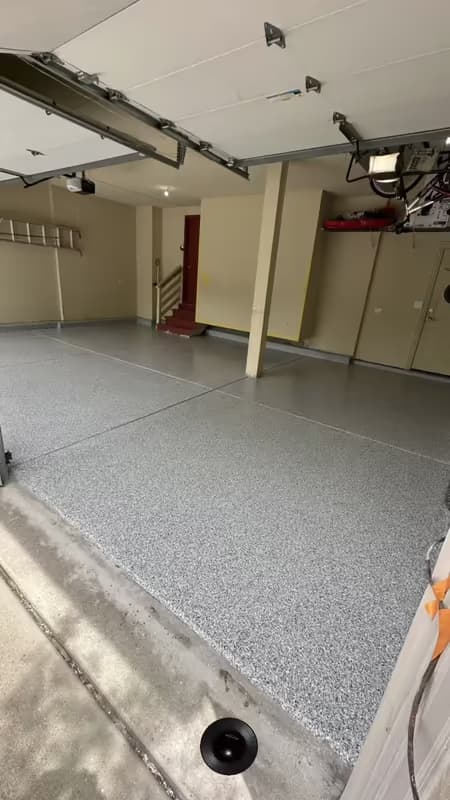
One garage, start to finish — same job, same day
COMMERCIAL
For facilities and businesses.
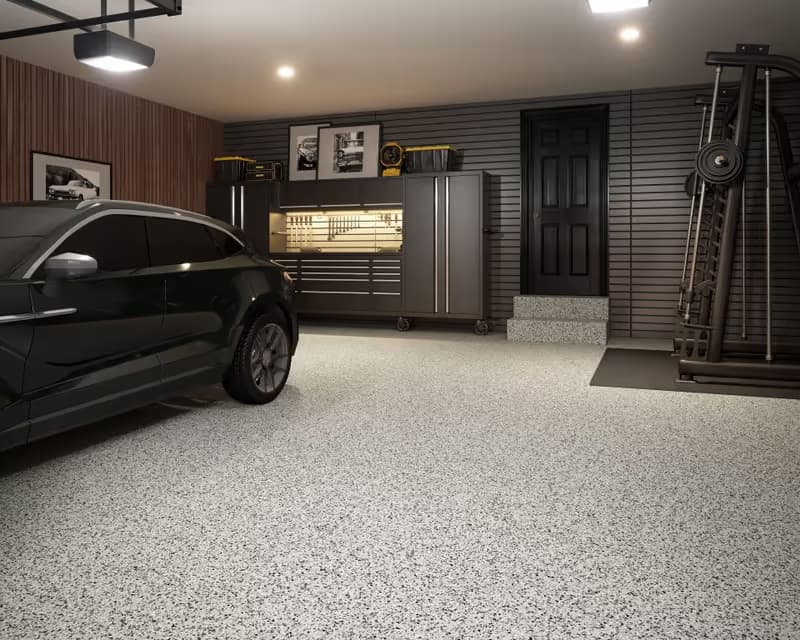
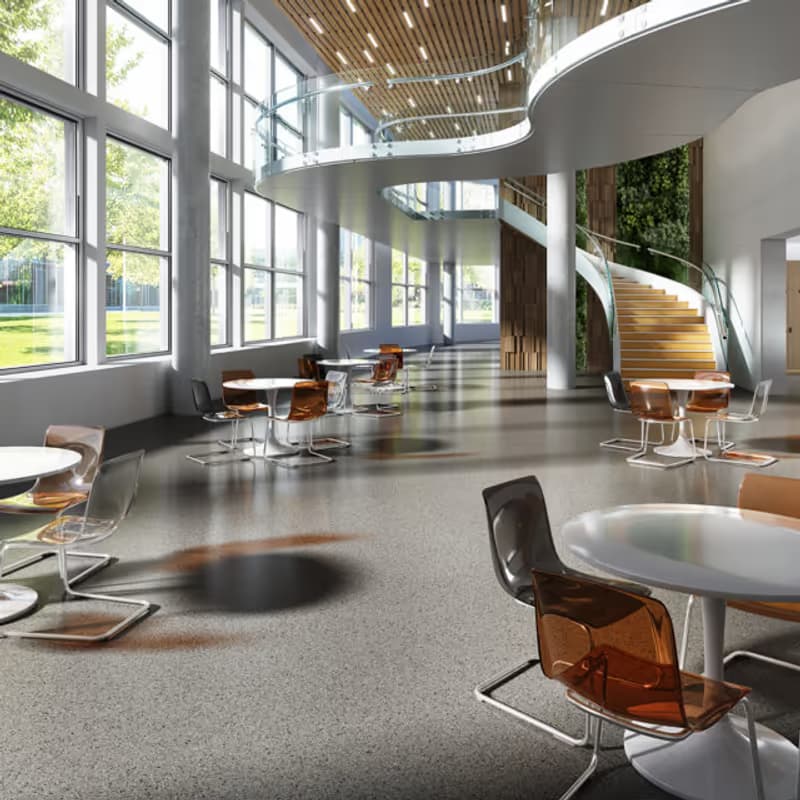
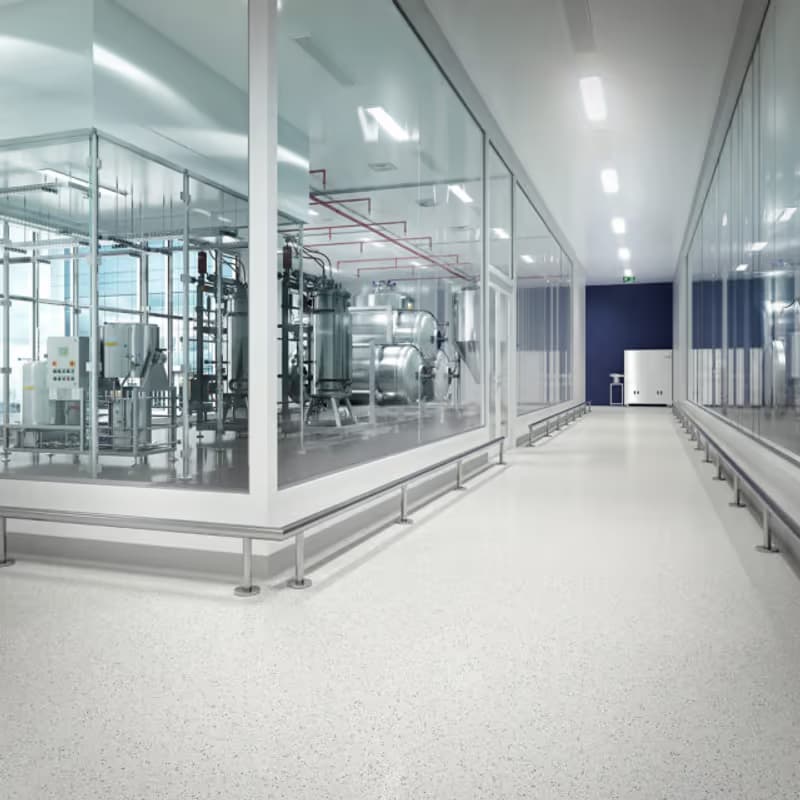
On commercial slabs, flake epoxy earns its place through durability, not looks alone. Grocery stores, warehouses, auto shops, and school facilities need a floor that stays clean, survives pallet jacks and forklifts, and doesn't delaminate when the HVAC brings in cold air. We size the broadcast density and topcoat thickness to the traffic load — light retail gets a different spec than a food-distribution floor.
THE ABSOLUTE PROCESS
A perfect job is in the prep & application.
Grind
Diamond grinders open the concrete pores so the epoxy bonds chemically, not just mechanically.
Details
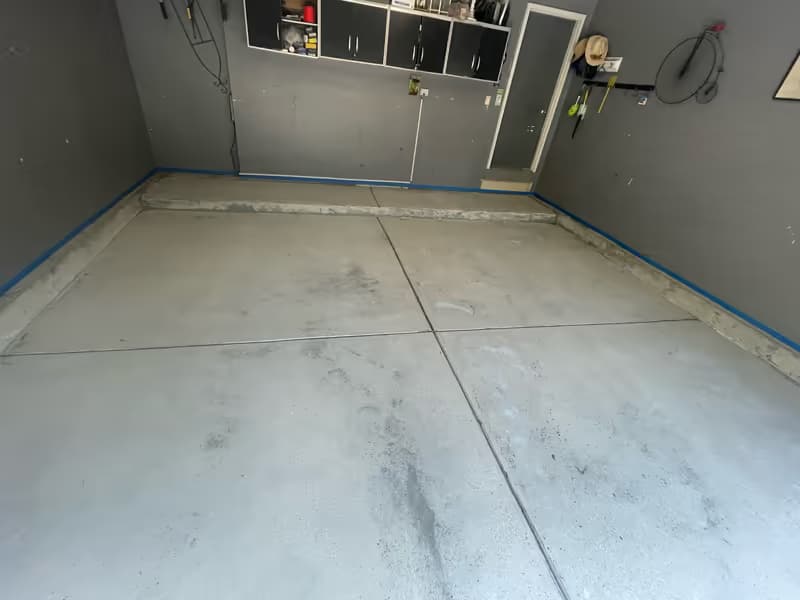
Hand grinders and edgers cut into every corner, wall line, and control joint the big planetary machine can't reach. The edges are where the craftsmanship shows.
Tape
Every baseboard, wall, and transition is masked so the coating stops in a crisp, deliberate line — no overspray, no slop.
Pour
Epoxy base coat goes down, then the flake or metallic system is applied to ensure everything cures together.
Seal
A topcoat of clear polyaspartic seals the floor hard — UV-stable, chemical-resistant, traffic-ready.
Happy Customer
The tape comes off, the door goes up, and you park on a floor built to be shown off. All warranty and aftercare information is given at the completion of the job.
COMMON QUESTIONS
Answers before you ask.
How long until the floor is back in service?
Most polyaspartic-sealed floors are light-foot-traffic ready within a few hours of the final coat. Full vehicle traffic — parking cars, rolling in equipment — is typically safe by the next morning. We'll give you the exact window based on your floor size and the day's temperature.
When can I park my car on it?
For residential garages, we recommend waiting at least 24 hours before driving on the floor and 48–72 hours before parking for extended periods. Hot tires from a long drive can stress fresh coating if you park immediately — so let it cool before you pull in the first few times.
Can you install epoxy in Wisconsin winters?
Yes, with conditions. Epoxy requires concrete to be above about 50 °F through the entire install and cure cycle. In cold months we use polyaspartic products that tolerate lower temperatures, and we may bring in temporary heat to stabilize the slab. We've done it — just tell us where you are and we'll be straight with you about the timing.
What does cleaning look like long-term?
Day-to-day, a dust mop or leaf blower handles loose debris. Spills wipe up with a damp mop and a pH-neutral cleaner — no harsh acids or abrasive scrubbers that would dull the topcoat. Most floors stay looking sharp with a thorough wet-mop once a month. If heavy traffic eventually scuffs the sheen, a maintenance coat of polyaspartic can restore it without stripping the whole floor.
Get your free quote.
Tell us about your slab. We’ll get you a fast, honest number — no pressure, no runaround.